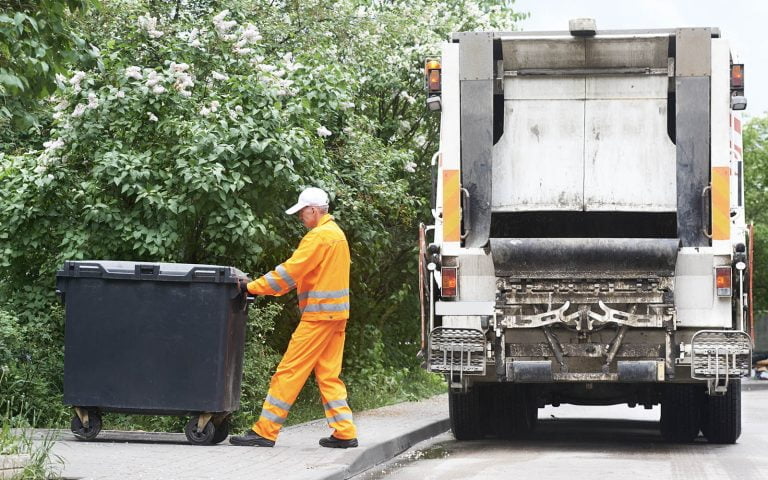
A Job Demands Analysis (JDA) is conducted to document the physical and psychosocial requirements of specific job tasks. Another workplace assessment of this style is called a Physical Demands Analysis (PDA) which documents the physical requirements specifically. The purpose of these assessments is to support return-to-work planning, workplace accommodations and inform prevention efforts by providing a detailed understanding of the physical and mental components involved in a role. Data is collected through supervisor discussion, worker interview, observation, objective measurement of height, length, weight and linear force application and capture and review of digital media (pictures and/or video).
Joint Specific Demands – shoulder elevation, elbow flexion/extension, wrist & hand activity
Activity Specific Demands – driving, sweeping, operating equipment
Psychosocial Demands
Working With Others – degree of self-supervision required, supervision exercised, need for co-operation, exposure to emotional or confrontational situations
Coping With Pressures – exposure to deadline/time pressures, attention to detail, performance of multi-tasking, responsibility and accountability, need to work under high levels of stress
Hazards – vibration, heat, chemicals, dust, fumes, noise, moving eqpt, confined space, heights, slippery conditions, etc.
Tools & Equipment Used – including PPE requirements
Environmental Conditions – flooring, lighting, temperature, weather, obstacles, indoor/outdoor, etc.
All collected data is compiled into a comprehensive JDA/PDA report, which includes a breakdown of tasks, demands, measurements, and visual aids. The finalized report is shared with relevant stakeholders within the company as well as health care professionals and serves as a reference for:
Return-to-work decisions and medical clearance
Workplace accommodations and modified duties
Injury prevention efforts and education
Why do you need a Job Demands Analysis?
It is important to have a JDA for all the positions and jobs within your organization as they clearly define what requirements are needed of a worker in order to complete the necessary work. JDAs allows you to make informed, objective and safe decisions in terms of:
Return-to-Work Planning: A JDA outlines the true demands of a role which allows you to match a workers abilities to appropriate duties during recovery. A detailed and accurate JDA also allows physicians, physiotherapists and case managers to make better recommendations about RTW restrictions.
Supports Accommodation, Disability Management and Hiring Processes: When an employee needs modified duties, a JDA can help determine what tasks are appropriate or what tasks need to be adjusted, modified or substituted to suit their abilities. The information from a JDA can also be used during hiring and recruitment to ensure workers are capable of the job demands.
Helps Meet Legal Requirements: Laws and regulations such as those enacted by WorkSafeBC with the duty to cooperate and duty to maintain employment legislation exist to support injured workers in their recovery. It has been proven that keeping workers engaged and supported by their workplace during recovery can lessen the likelihood of disruptive long-term chronic injuries. A JDA can assist an employer when making accommodation decisions for injured workers returning to work.
What can you expect during a Job Demands Analysis?
The primary objective of a JDA is to capture accurate, objective information about the physical activities and psychosocial demands required in a job. Employees may be asked to describe their tasks, report any challenges, and highlight tasks that are physically demanding. This input helps ensure a thorough and accurate analysis. The evaluator will observe employees performing their regular job tasks in the work environment. The evaluation focuses on:
Lifting, carrying, pushing, and pulling requirements
Reaching, bending, kneeling, and other body movements
Duration and frequency of physical tasks
Use of tools and equipment
Environmental and social conditions that may impact task performance
The evaluator may use tools to measure weights, forces, postures, and distances involved in job tasks. Photography and videography (with consent) may be used to document tasks visually. These visuals support more accurate reporting and help healthcare providers understand the physical job demands.
The observations, interviews, and data collection often result in workflow interruptions on the day of assessment and productivity will likely be reduced. This should be considered when scheduling.
Interested in Movesafe® To Address Your Needs?
If you see our approach as a good fit for your organization’s needs, please reach out to us.
MoveSafe is an exceptional program that is delivered by an equally exceptional team. Our employees were thrilled with the training they received and embraced the program wholeheartedly. The team at MoveSafe went above and beyond to ensure that our program launch was seamless and stress-free.
What sets MoveSafe apart is their dedication to providing a personalized and attentive approach that catered to our company’s specific needs. We really felt like the MoveSafe team was there for us every step of the way ensuring the program was a success.
Subscribe To Our Newsletter
Receive regular email updates on 'How to Give Your Body What it Needs' to stay healthy at work. Sign up now!
We respect your privacy. Your information is safe and will never be shared.
Don't miss out. Subscribe today.
×
×
Subscribe To Our Newsletter
Receive regular email updates on ergonomics as well as healthy posture and movement concepts. Sign up now!
We respect your privacy. Your information is safe and will never be shared.